Fitting a winch to your trailer sounds straightforward enough. Find one that looks about right, bolt it on, and away you go. Except that is exactly how people end up with a winch that stalls under load, a rope that frays after six months, or an electrical setup that blows fuses the first time they use it.
Whether you are loading boats, shifting cars onto a transporter, or pulling plant equipment onto a low-loader, the winch you choose needs to match the job. This guide cuts through the jargon and helps you get it right first time.
Step One: Work Out the Capacity You Need
The single most important number when choosing a trailer winch is its pulling capacity, and the rule is simple: your winch should be rated to at least 1.5 times the weight of the heaviest load you plan to pull.
If you are winching a 2,000 kg car onto a transporter, you need a winch rated to at least 3,000 kg (roughly 6,600 lb). A 1,500 kg boat needs a winch rated to at least 2,250 kg. This 1.5x safety margin accounts for friction, incline, and the inevitable sticky situation where conditions are not ideal.
Undersizing a winch does not just make the job slower. It burns out motors, overheats solenoids, and puts unnecessary strain on every component. A winch working comfortably within its rated capacity will last years. One running at its limit on every pull will not.
Electric vs Hand Winch: Which Makes Sense
For most trailer applications, you are choosing between a 12V electric winch and a manual hand winch. Both have their place.
Hand winches are the simplest option. No wiring, no battery drain, no electrical components to go wrong. They suit lighter loads — boats under 1,500 kg, jetskis, and small plant — where you are only pulling a few metres. If your trailer lives at a slipway and the load slides on easily, a hand winch does the job without overcomplicating things.
12V electric winches are the better choice once loads get heavier or you are doing the job regularly. Running a hand winch to load a 2.5-tonne car onto a transporter every day is hard work and slow. A 12V electric winch does the same job in a fraction of the time with a button press.
Most 12V trailer winches in the 2,000 lb to 6,000 lb range will suit boat trailers and lighter transporter work. For heavier car transporters and plant trailers, you may need to step up to 9,500 lb or even 12,000 lb. Check our winch buying guide for a more detailed breakdown of what suits different applications.
Do You Need a Wireless Remote
If you have ever stood at the front of a trailer pressing a winch button while trying to watch a car rolling up the ramp behind you, you already know the answer to this one.
A wireless remote lets you control the winch from wherever you have the best view of the load. You can stand beside the vehicle being loaded, keep an eye on the rope, and stop the pull instantly if something shifts. It is safer and more practical than being stuck at the winch itself.
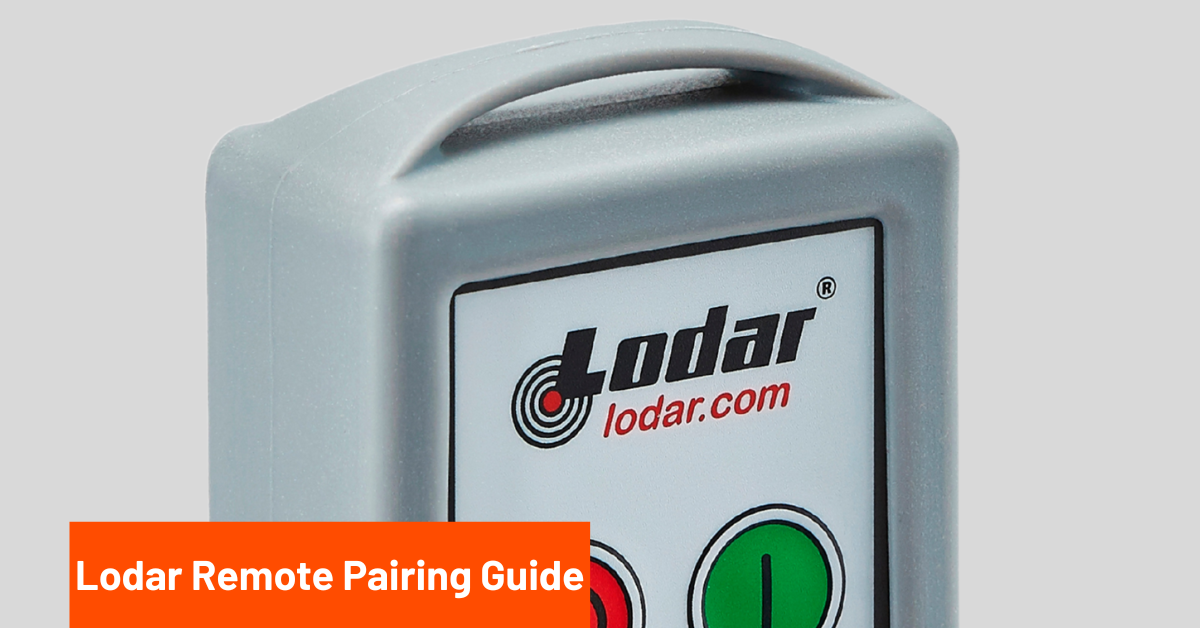
Some 12V electric winches come with a wireless remote included as standard — if yours does, you are already sorted. If not, a Lodar wireless control is compatible with most 12V winch installations and will do the job reliably. For anyone using a trailer winch in a working or professional environment, Lodar's purpose-built systems are designed for exactly that — rugged, reliable, and manufactured in the UK.
Choosing the Right Rope
Trailer winches typically come with either steel wire rope or synthetic rope, and the choice matters more than people realise.
Steel wire rope is the traditional option. It is durable, handles abrasion from rollers and fairleads well, and costs less upfront. For trailer work where the rope runs over a roller or through a guide, steel can be the more practical option because it resists wear from repeated contact.
Synthetic rope is lighter, easier to handle, and safer if it breaks under load — it simply drops rather than whipping like steel cable. Modern synthetic ropes, particularly those made from UHMWPE fibres such as Dyneema, can actually have a higher breaking strain than steel rope of the same diameter. The trade-off is wear: synthetic is more vulnerable to abrasion from rollers, fairleads, and grit, so regular inspection matters more than with steel. If you value lighter weight and safer handling, synthetic is worth the extra cost — just look after it.
Getting the Electrics Right
A 12V electric winch draws serious current — often 200 to 400 amps under full load. That means you cannot power it through your towing vehicle's standard towbar connections. The 7-pin plug simply cannot handle the current and will fail under load.
You have two practical options. The first is a dedicated heavy-gauge cable run directly from the tow vehicle's battery to the winch. The second — and more common solution — is to fit a battery directly on the trailer, topped up from the main vehicle while driving. The on-trailer battery approach gives you consistent power wherever you are parked, without needing the tow vehicle running or connected.
A proper electrical accessories setup includes the correct gauge cable, a battery isolator, and appropriate connectors. If you are not confident with auto electrics, get it installed professionally — a poorly wired winch installation is a fire risk.
Accessories That Make the Difference
Once the winch is fitted, a few accessories will make your life easier.
A fairlead guides the rope onto the drum evenly and reduces wear — but the type matters. Roller fairleads are designed for steel wire rope only; the rollers handle the wire without damaging it. If you are running synthetic rope, you need an aluminium hawse fairlead instead — steel rollers will damage synthetic fibres over time.
A winch cover protects the motor and solenoid from weather when the trailer is parked outside. It costs very little and extends the life of the winch significantly.
If you are working with heavier loads, a snatch block lets you double your effective pulling power by running the rope through a pulley. This is particularly useful when loading on a steep incline.
Getting It Right First Time
Choosing a winch for your trailer comes down to three things: getting the capacity right with the 1.5x rule, matching the type to how often and how hard you will use it, and making sure the electrics and rope are set up correctly for the job.
Get those three things right and you will have a setup that works reliably for years. We review and recommend winches and accessories across the range, and we stock Lodar wireless controls directly — the system we fit ourselves and recommend without hesitation.
Have a question about anything covered in this guide? Get in touch — we are happy to help you get the right setup.
Winch Equip is an approved UK Lodar stockist. We hold the full Lodar wireless control range in stock and ship from our own warehouse.