
So you've decided you need a winch. Good call. Whether you're recovering a bogged-out 4x4, shifting heavy loads on the farm, or running a recovery truck for a living — a decent winch is one of those things you really don't want to get wrong.
The problem? The market is full of options at every price point, with spec sheets that all look suspiciously similar. A thousand different brands, all claiming to be the best. So where do you actually start?
This guide cuts through the noise. We'll walk you through everything you need to know before you buy — what to look for, what to avoid, and which winches we actually rate in 2026.
Our Top Picks for 2026
Short on time? Here are the two we'd reach for first:
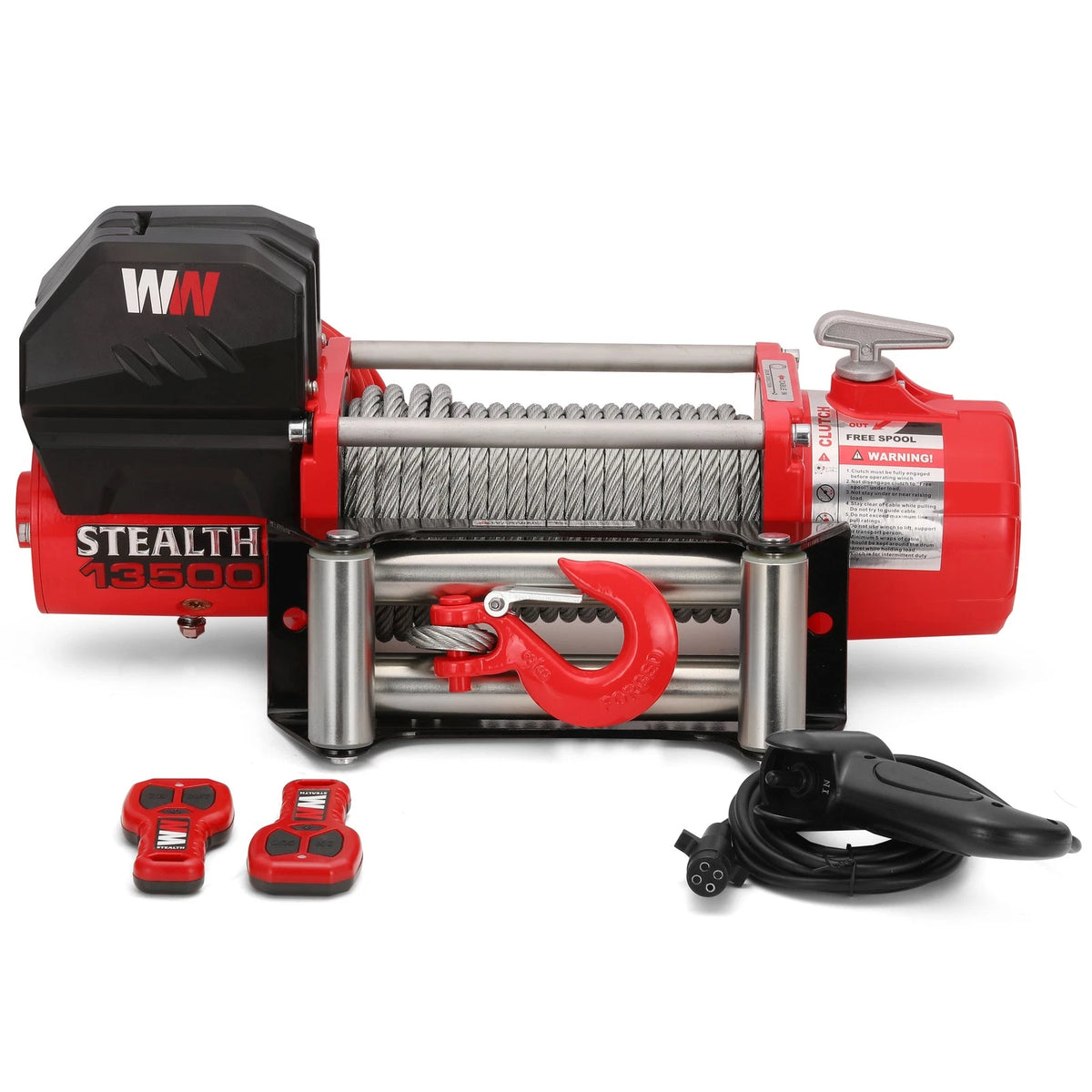
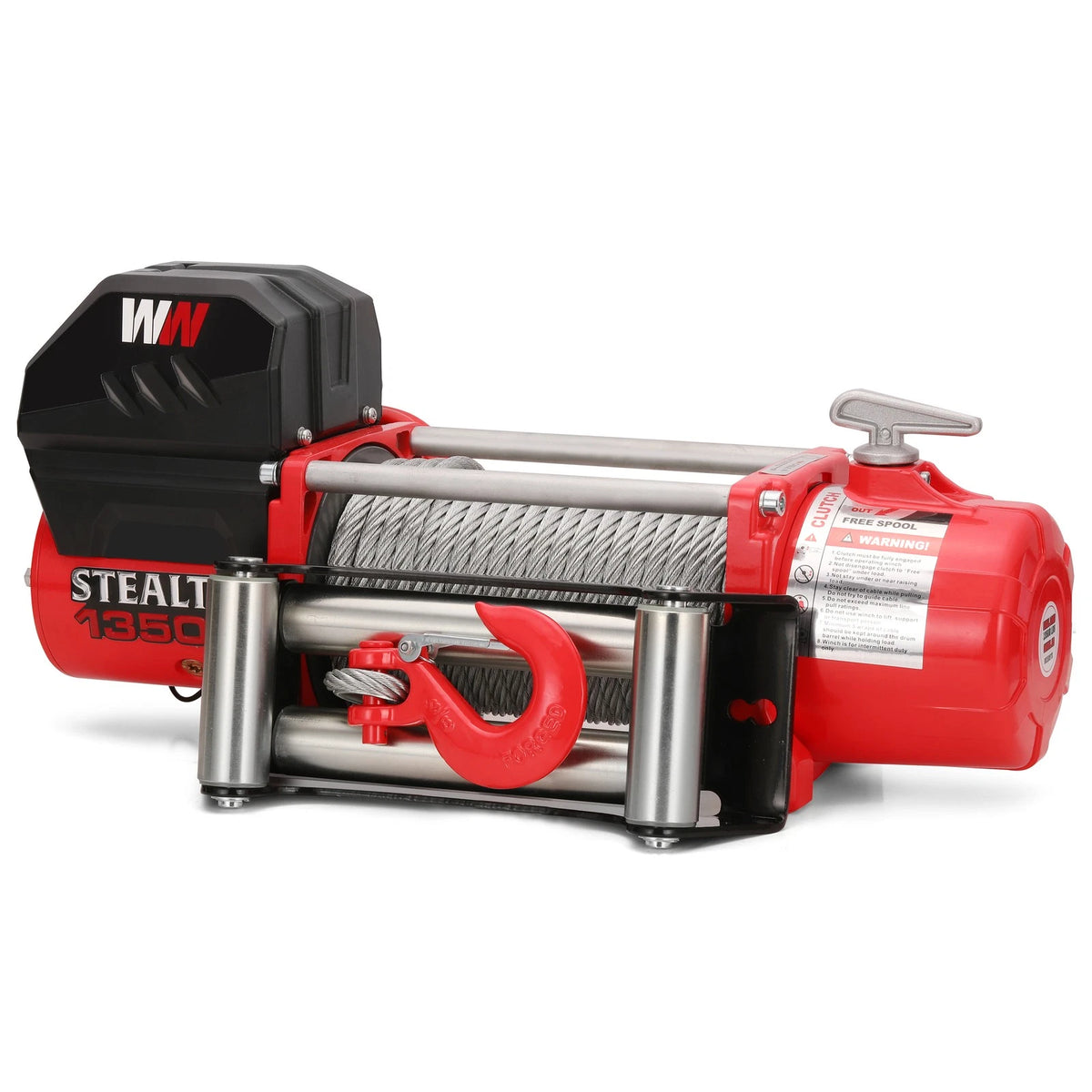
Best All-Round: Stealth 13500lb 12V Winch (Steel Cable)
Tough, powerful, and genuinely impressive value for money. If you're fitting a winch to a recovery truck or a serious off-roader and you don't want to overpay, this is where we'd start. It punches well above its price bracket.
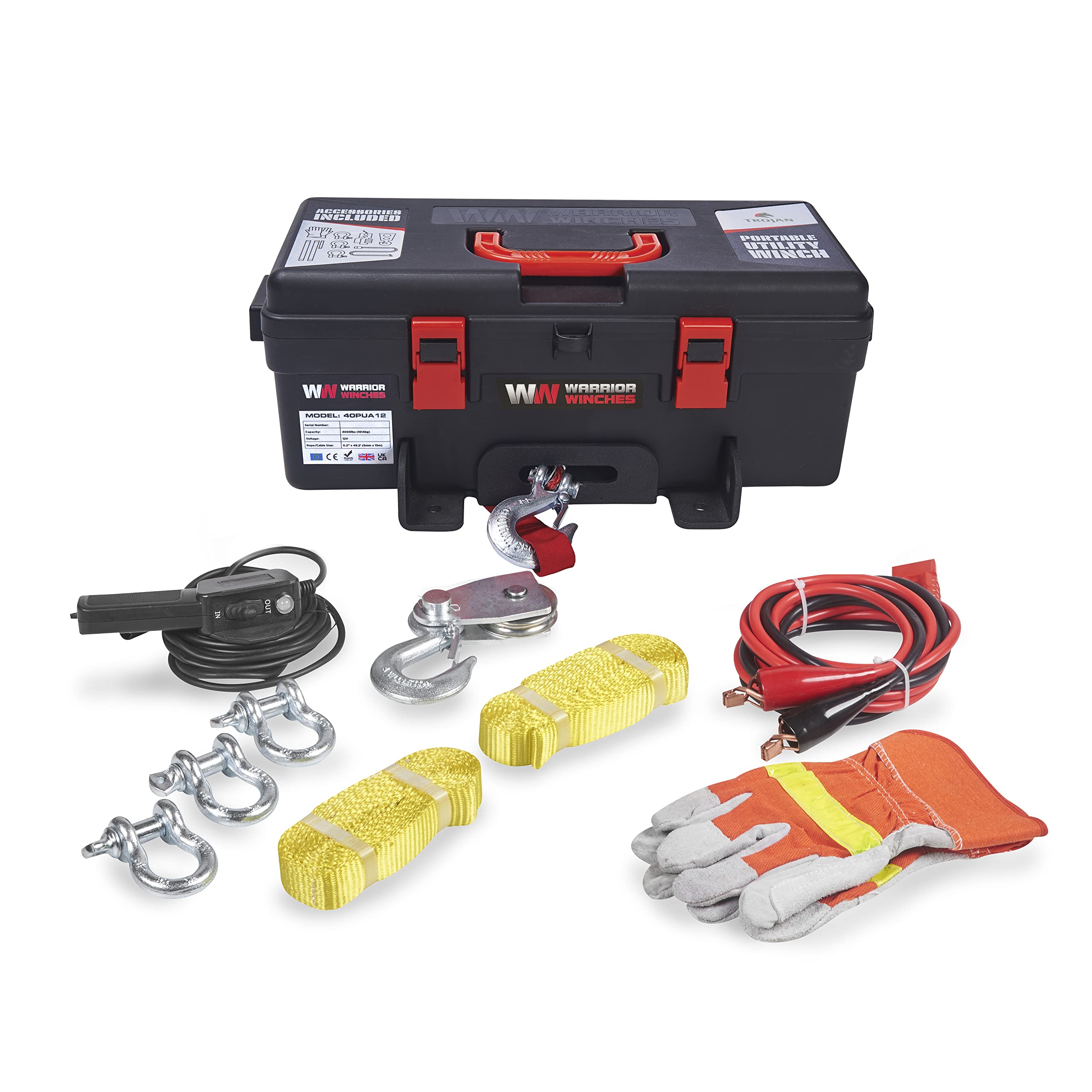
Best Portable Option: Warrior Winches Trojan Portable Winch
Not everyone wants a winch bolted permanently to their bumper — and that's fine. The Trojan is lightweight, easy to deploy, and can move between vehicles or situations without any faff. Ideal for occasional use or when flexibility matters more than raw power.
We'll go into more detail on both further down. But first — let's make sure you're buying the right type of winch at all.
Step 1: Know What You're Pulling
Before you look at a single product page, you need to answer one question: what are you actually going to be using this winch for?
This sounds obvious, but it's where a lot of people go wrong. They buy based on what their mate has, or they go for the cheapest option without thinking about their actual use case — and then wonder why it falls short.
Here are the most common scenarios:
Recovery winching (off-road / 4x4): You're pulling a stuck vehicle out of mud, sand, or off a bank. Load varies massively depending on conditions, ground type, and angle of recovery.
Utility winching (agricultural / industrial): Moving machinery, equipment, or materials. Often repeated use, sometimes under sustained load.
Recovery truck / roadside use: High-frequency use, often at near-capacity loads. Build quality and duty cycle matter a lot here.
Occasional / portable use: The winch only comes out a few times a year, mostly on lighter jobs. Portability and ease of setup matter more than raw pull rating.
Once you know your use case, everything else falls into place.
Step 2: Getting the Capacity Right
Winch capacity is measured in pounds (lbs), and it tells you the maximum rated pull the winch can deliver — on the first layer of rope, in a straight pull, under ideal conditions.
Real-world conditions are never ideal. Once you factor in angles, multiple layers of rope on the drum, and added resistance from terrain, your effective pull can drop significantly from the rated figure.
The golden rule: your winch should be rated to at least 1.5x your vehicle's gross weight.
Here's a rough guide:
- ATV / quad: 2500–3500lb
- Light SUV / crossover: 4500–6000lb
- Mid-size 4x4 (Defender, Hilux, Ranger): 9500–12000lb
- Large 4x4 / recovery truck: 12000–17500lb
Don't size down to save money. A winch working consistently near its limits runs hot, wears faster, and is more likely to let you down when you need it most. Buying too little capacity is a false economy.
Step 3: 12V or 24V?
This one gets overcomplicated. Here's the short version: match your winch to your vehicle's electrical system.
Most 4x4s, pick-up trucks, and ATVs run a standard 12V system — so a 12V winch is what you want. It's the most common option and you'll have far more choice at every price point.
24V winches are typically for vehicles that already run a 24V system — some large commercial trucks, certain agricultural equipment, and older military vehicles. Running a 24V winch on a 12V system isn't something you can just bodge with a converter.
Unless your vehicle runs 24V, buy a 12V winch and move on.
Step 4: Steel Cable or Synthetic Rope?
Both are perfectly valid — the right choice depends on how you'll use the winch.
Steel wire rope is the traditional choice. It's highly abrasion-resistant, durable over time, and handles rough terrain and repeated use well. The downside is weight, and if it snaps under load it stores a lot of energy and can cause serious injury.
Synthetic rope (usually UHMWPE, often sold under names like Dyneema) is lighter, easier to handle, and safer if it fails — it drops rather than recoils. The trade-off is that it needs more care: UV exposure, abrasion on sharp rocks, and certain chemicals can all degrade it.
If you want to explore synthetic rope options, we stock a range suited to different setups.
Our take: For heavy-duty or high-frequency use, we prefer steel for its durability and low maintenance. For off-road recovery where you're handling the rope manually, synthetic is a strong choice. Just look after it.
Step 5: Fixed or Portable?
Fixed winches are permanently mounted — usually to a front bumper, chassis, or mounting plate. They're always there when you need them and are generally the better choice for dedicated off-road vehicles or working trucks. If you need a winch mounting plate, we've got options to suit most setups.
Portable winches can be deployed where needed and packed away when not in use. The Warrior Trojan is a good example — lightweight, versatile, and genuinely useful when you don't want or need a permanent setup.
If you run multiple vehicles, or only need a winch occasionally, a portable option is worth serious consideration.
Step 6: Do You Need a Wireless Remote?
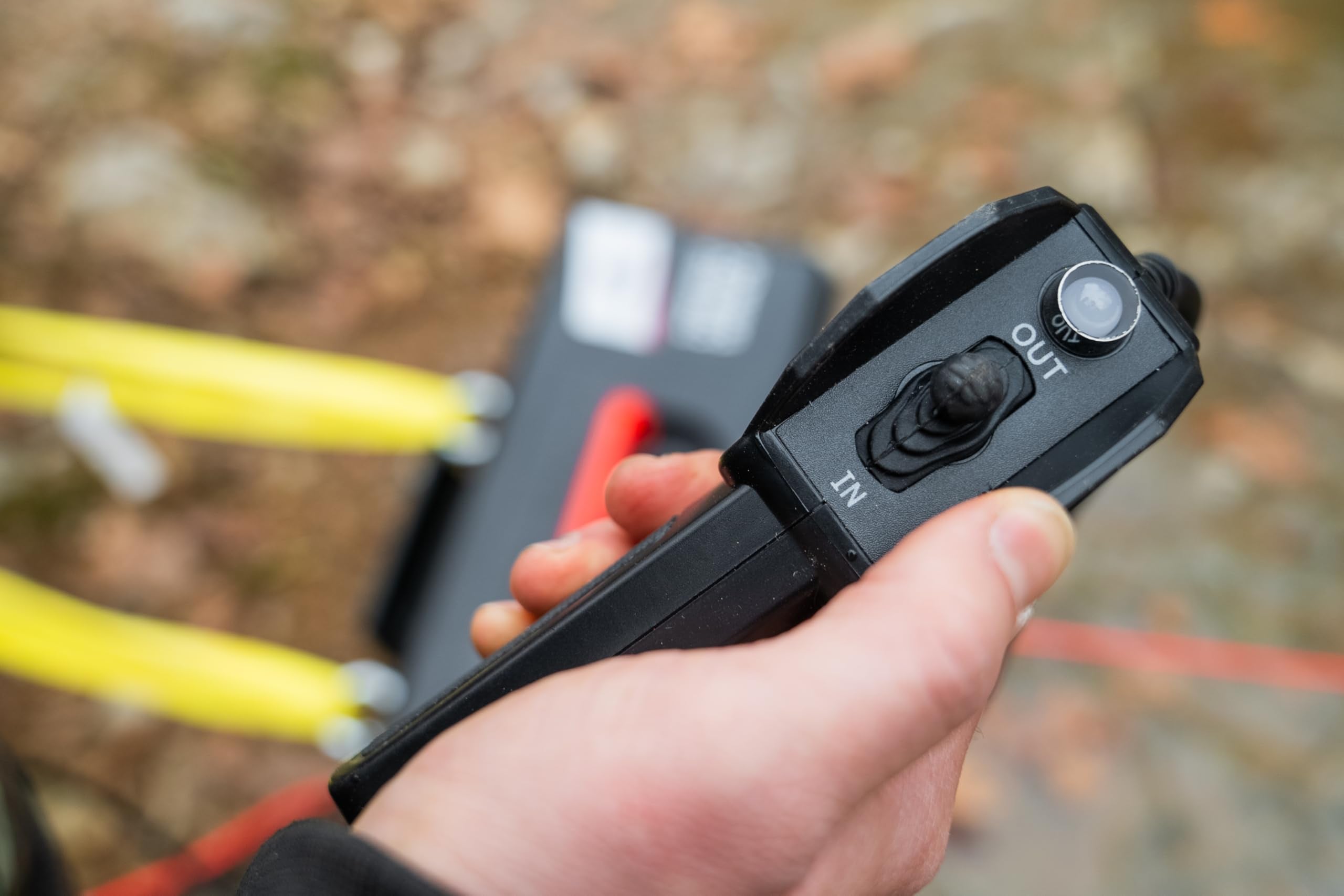
Most winches come with a wired hand controller — which is fine for basic use. But if you're using your winch regularly, or in situations where you need to move around the vehicle to see what's happening, a wireless remote is a genuine game-changer.
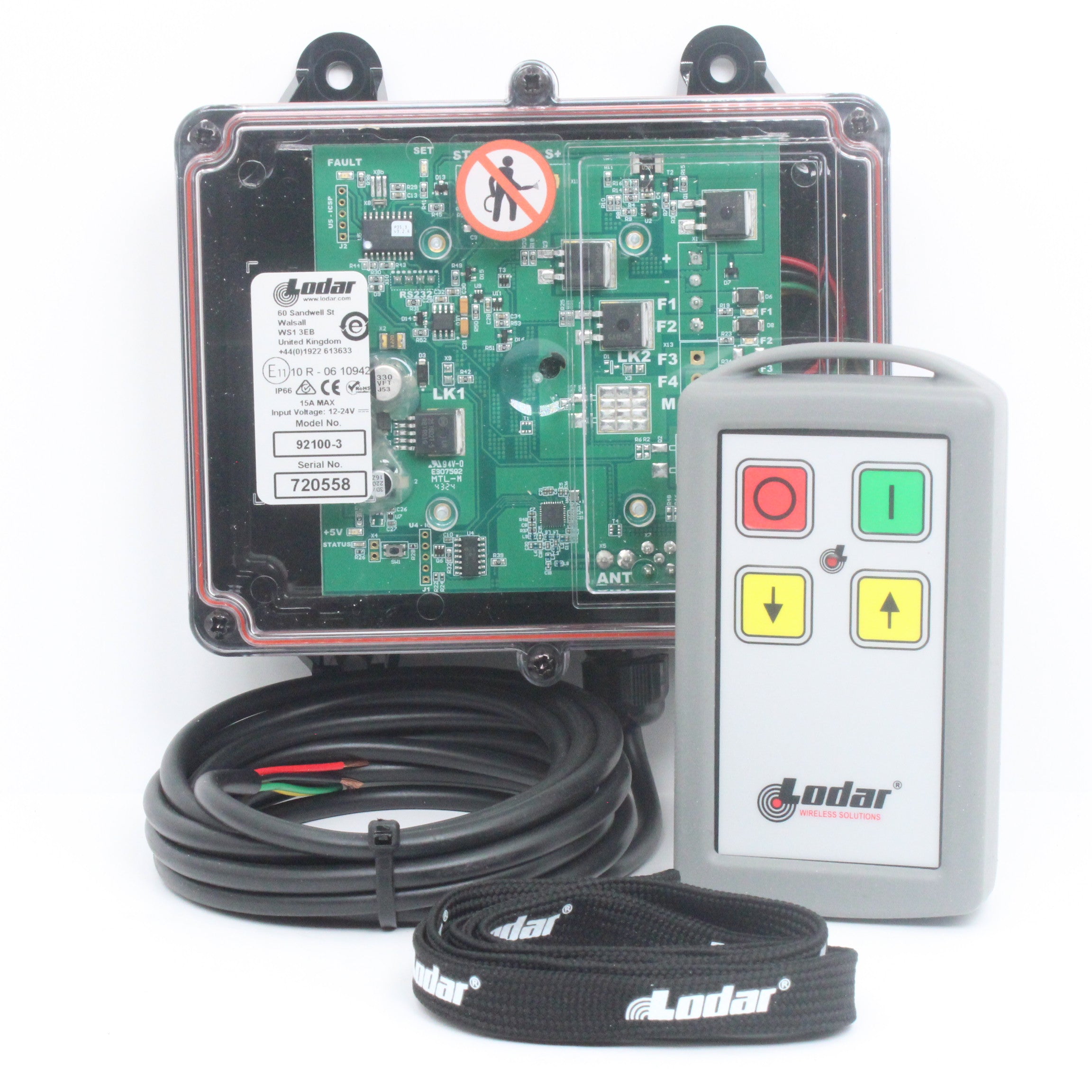
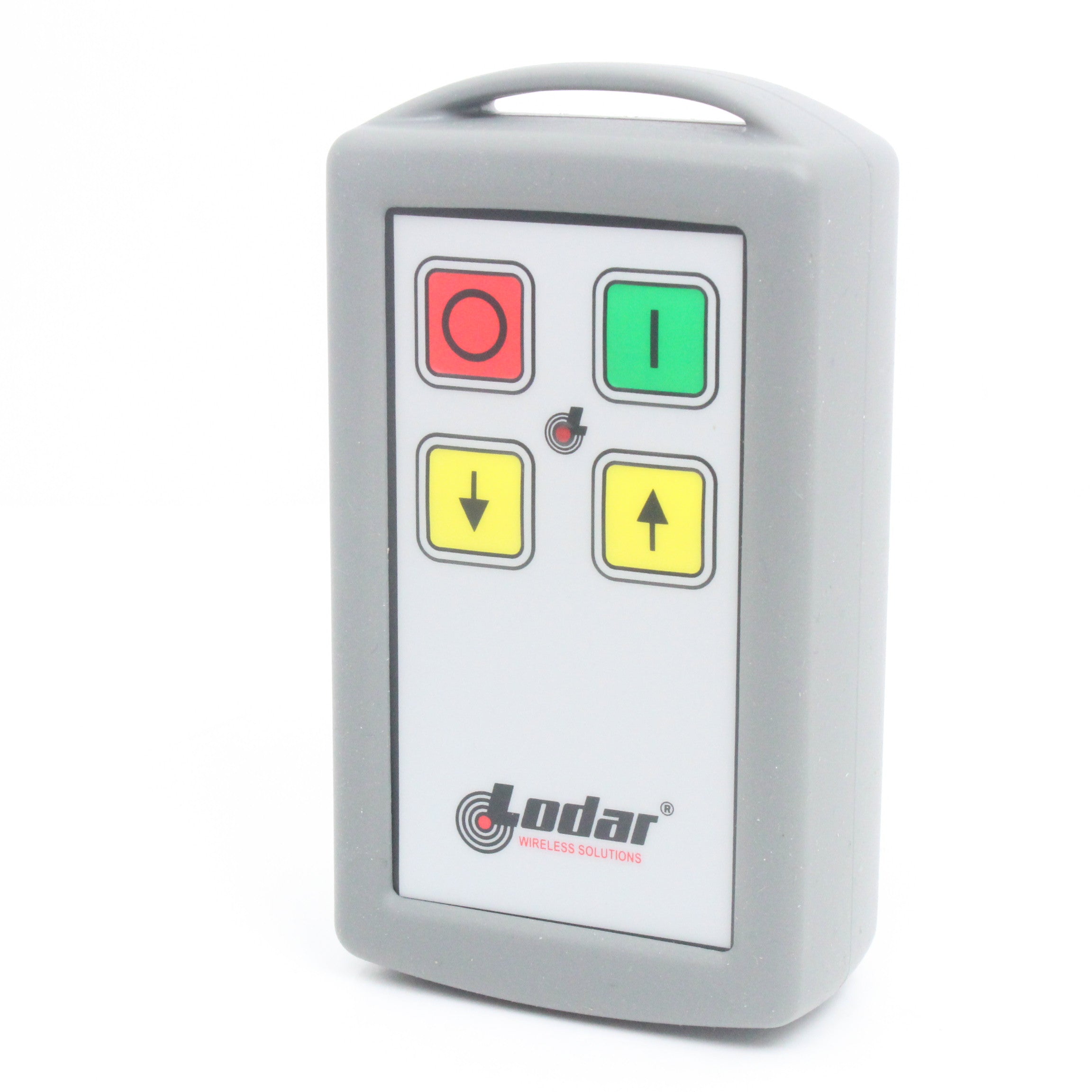
We're an approved UK stockist for Lodar wireless remote control systems — and they're the only wireless winch controls we recommend without hesitation. Lodar systems are built to IP-rated standards, trusted across recovery, plant, and industrial sectors, and designed to work reliably in tough environments where cheap wireless kits fall apart.
If you're running a recovery truck or using your winch in a working environment, a Lodar wireless kit is worth factoring into your budget from the start. It makes solo recoveries safer and working with a winch significantly easier.
The Brands We Rate
We don't stock everything — we stock what we believe in. Here's our honest take on the main players:
Warrior Winches are a UK favourite and consistently deliver. They've been around long enough to have a proven track record across a wide range of products, from portable winches through to serious recovery units. Great support and widely available parts.
Stealth Winches offer outstanding value for money. If you want solid build quality without the premium price tag, Stealth is where we'd send most people first. The 13500lb model in particular is hard to fault at its price point.
Warn Winches are one of the most trusted names in the industry. They sit at the premium end of the market and they've earned that reputation over decades. If you want the absolute gold standard and budget isn't the primary concern, Warn is hard to beat.
A Few Things Worth Remembering
Check your alternator and battery. Winches draw serious current under load. If your electrical system isn't up to it, you'll get poor performance or worse. Browse our electrical accessories if you need to sort your setup.
Don't forget the accessories. A quality snatch block doubles your pulling power and reduces strain on the winch. A decent set of recovery tools — straps, shackles, and a rope damper — should all be on your list.
Read the duty cycle. Winches aren't designed for continuous use. Ignoring the rated duty cycle, especially on cheaper units, is a fast way to burn out a motor.
Think about where you're mounting it. Fixed winches need a suitable mounting point — either a dedicated winch bumper or a mounting plate rated for the loads involved.
Still Not Sure?
We know it's a lot to take in — and the right winch really does depend on your specific situation. If you've read through this and you're still not sure which way to go, just get in touch. We reply quickly and we're happy to point you in the right direction.
No pressure, no hard sell — just genuine advice from people who actually know their winches.
Looking for more buying advice? Check out our Stealth Winches review and our guide on the brands we believe in.